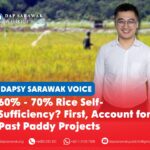

Kuching: Remarks labelling voters as “smart” or “not smart” by Sarawak Deputy Premier Datuk Amar Dr Sim Kui Hian have raised concerns over the attitude of certain political leaders towards the electorate.
DAPSY Sarawak Secretary, George Lam, described the statement as arrogant, demeaning to voters and inconsistent with the principles of democracy.
“If we follow such logic, does that mean anyone who does not vote for you or your party is considered ‘not smart’?
“Such remarks do not reflect a problem with the voters, but rather reveal the mentality of those in power,” he said in a statement.
According to Lam, voters make their electoral decisions based on lived experiences, policy outcomes, and their assessment of governance, rather than political narratives imposed on them.
He emphasised that Pending residents had consistently expressed their position through previous election outcomes, opposing SUPP and endorsing the opposition’s function as a check and balance.
“This was not a so-called misjudgment by the people, but a rational response against the excessive concentration of power,” he stressed.
Lam warned that the absence of a strong opposition would weaken accountability and oversight within the democratic system.
“A parliament without opposition is a dangerous parliament. Without checks and balances, power can easily result in unequal resource distribution, poor policymaking accountability, and ultimately harm the rakyat,” he said.
Additionally, he questioned what he called unequal development priorities, claiming that while many other districts continued to suffer from poor infrastructure and sluggish progress, select constituencies received excessive attention to produce a so-called “development miracle.”
“Development should never be used as a political tool to reward supporters and punish opposition voters. Sarawak’s resources belong to all Sarawakians, not to any one party or constituency,” he added.
Lam further said that mature political leaders should respect differing views rather than belittle dissenting voices, emphasising that democracy is built on accountability and the diversity of opinion rather than one-sided rule.
“The people do not need to be taught how to vote. What they need is a political party that is willing to listen, willing to be accountable, and they will vote for the party they truly believe in,” he said.