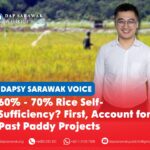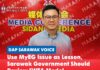

Kuala Lumpur: Stampin MP Chong Chieng Jen has called on the government to revoke the Royal Malaysian Customs Department’s decision to impose sales tax on traditional coffee beans and powder.
Chong explained that the Customs Department had singled out a local producer of traditional coffee beans and powder, imposing a sales tax on its products in August 2025.
According to him, during the debate on the motion of thanks for the Royal Address in the Dewan Rakyat recently, the justification given by the Customs Department was that butter and sugar are used in the production process.
“All traditional coffee producers have always used butter and sugar when roasting coffee beans. All producers follow this process, yet only Kng Lak has been subjected to the 5% SST under the Madani Government,” he said.
Chong added that during the company’s appeal hearing, the Customs Department indicated it intends to pursue all traditional coffee producers nationwide after the case.
“If this is true and implemented, it will increase the price of all kopi-O and coffee served in cafes and local coffee shops,” he said.
Chong highlighted that citizens are already struggling with rising living costs, and introducing a new tax through a reinterpretation of the Customs Duties Order would place additional financial pressure on everyday households.
“The government should be sympathetic to the people. Even everyday drinks like kopi-O should not be subjected to a new sales tax,” he said.
He further stressed that the tax would not only impact traditional coffee producers but also increase the prices of coffee sold in cafes and local coffee shops, placing an additional burden on ordinary consumers.
Chong then posed three key questions:
- Why was this company singled out by the Customs Department to be subjected to sales tax on its traditional coffee beans and powder?
- Does the Customs Department intend to impose sales tax on all traditional coffee producers nationwide?
- Is the government so eager to tax citizens that even daily drinks like kopi-O will now be subjected to sales tax?